
✨ Updated for International Babywearing Week 2025
Whether you’re a new mum exploring slings or a seasoned babywearing pro, this week is a beautiful chance to reconnect with the science and soul behind carrying your baby close.
If you’re a parent to a newborn, you’ve likely noticed that your arms have become your baby’s favourite place. You’re carrying them constantly, during feeds, between naps, when they’re unsettled, and even when they’re perfectly content.
And here’s the truth: this is entirely natural and exactly what your baby needs.
After spending nine months nestled in the warmth and rhythm of your body, the outside world feels vast and unfamiliar. Your newborn doesn’t understand separation yet. They crave your closeness, your heartbeat, your scent. They want to feel you again, just as they did before birth.
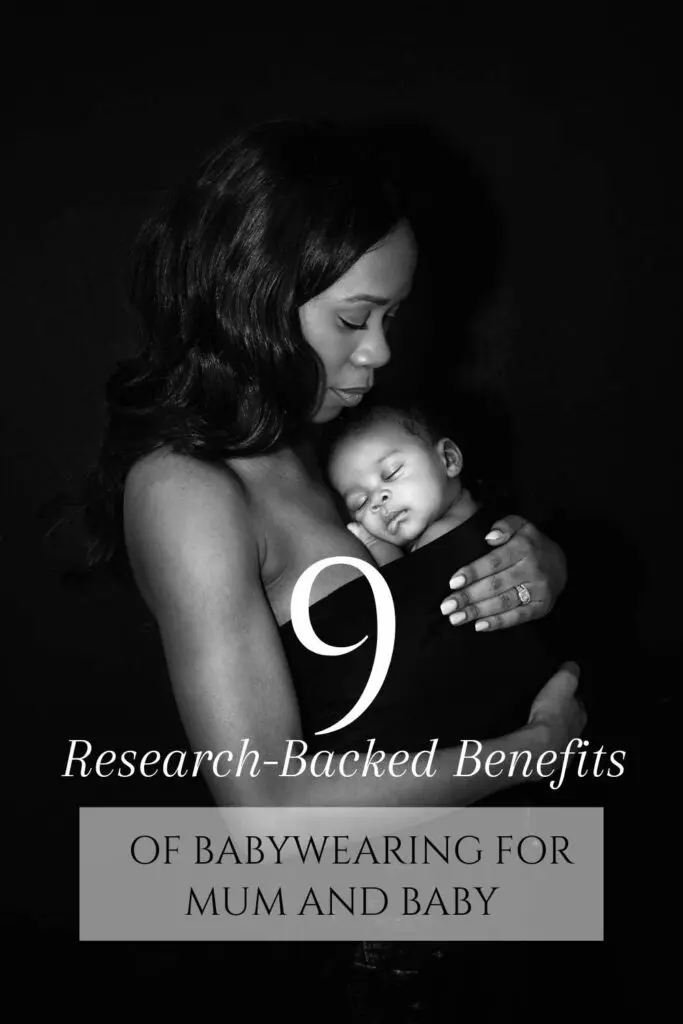
The Ancient Practice We Nearly Forgot
Babywearing isn’t a modern parenting trend. For thousands of years, across every continent and culture, carrying babies close to the body was simply how parenting was done. Yet somewhere along the way, particularly in Western societies, we moved away from this instinctive practice.
Years ago, I came across an article exploring why babies in certain African communities cried significantly less than their Western counterparts. The answer was surprisingly simple: mothers wore their babies throughout the day, keeping them close, content, and secure.
During my time photographing families in Africa and later travelling through Southeast Asia, I witnessed this firsthand. Mothers moved through their daily lives with babies wrapped snugly against their bodies in vibrant, traditional fabrics. The babies were peaceful. The mothers were free to work, connect with others, and care for older children. It was beautiful, intuitive, and deeply effective.
The Problem: Love Without Freedom
But let’s be honest about the challenge many of us face. Holding your baby all day is exhausting. Your arms ache. Your back protests. You can’t prepare a meal, respond to emails, or give attention to your toddler. The love is there, but the logistics are overwhelming.
This is precisely why babywearing matters. It bridges the gap between your baby’s need for closeness and your need for functionality. With a properly fitted sling or carrier, you can hold your baby securely while reclaiming your hands, your mobility, and a bit of your sanity.
9 Science-Backed Benefits of Babywearing
Research continues to reveal what traditional cultures have always known: carrying your baby close offers profound benefits for both child and parent. Here are nine evidence-based reasons to embrace babywearing.
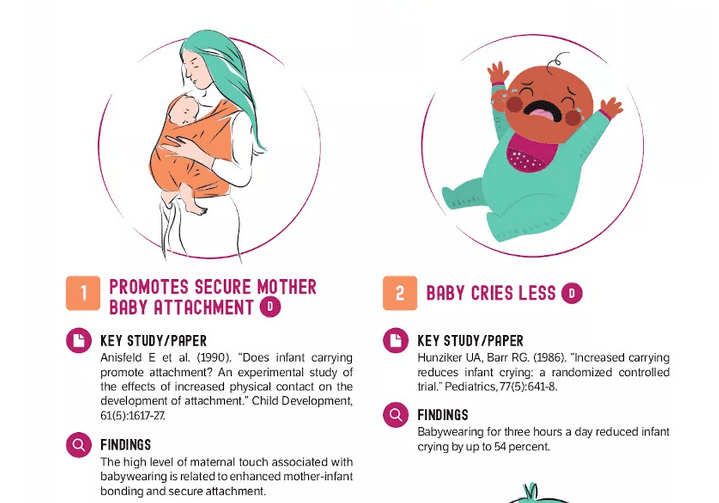
1. Promotes Secure Attachment and Bonding
When your baby is nestled against your chest, something magical happens. You’re more attuned to their subtle cues, a small whimper, a contented sigh, a shift in body language. This proximity naturally increases your responsiveness, helping you understand your baby’s needs more intuitively. Over time, this builds secure attachment and deepens the bond between you. Studies consistently show that babies who are carried frequently develop stronger emotional connections with their caregivers.
2. Significantly Reduces Crying
One of the most celebrated benefits of babywearing is its remarkable effect on infant crying. Research has demonstrated that babies who are carried for several hours each day cry considerably less than those who spend more time in prams or cots. The gentle motion, combined with the reassurance of your presence, soothes babies naturally and helps them regulate their emotions from the very start.
3. Supports Healthy Physical Development
Holding your baby upright in a carrier promotes optimal physical growth. It helps prevent positional plagiocephaly (flathead syndrome) by reducing the time babies spend lying on their backs. Additionally, the upright position supports hip development when babies are carried in ergonomic, hip-healthy carriers that position their legs in the natural “M” shape.

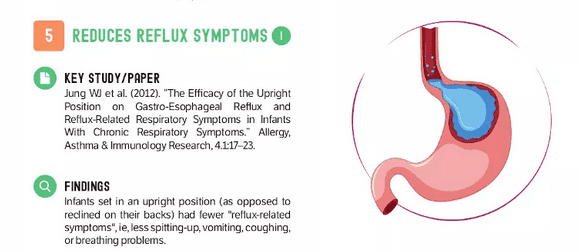
4. Improves Digestion and Reduces Reflux
The upright position maintained during babywearing is particularly beneficial for babies prone to reflux or digestive discomfort. Gravity assists in keeping milk down, while the gentle pressure against your body and the rhythmic movement can ease trapped wind and colic symptoms. Many parents report that their babies are noticeably more comfortable when worn after feeds.
5. Regulates Baby’s Body Systems
Being close to your body helps regulate your baby’s temperature, heart rate, and breathing patterns. This is especially important for newborns who are still developing these regulatory systems. The consistency of your heartbeat and breathing serves as a biological template, helping your baby’s body establish its own healthy rhythms.
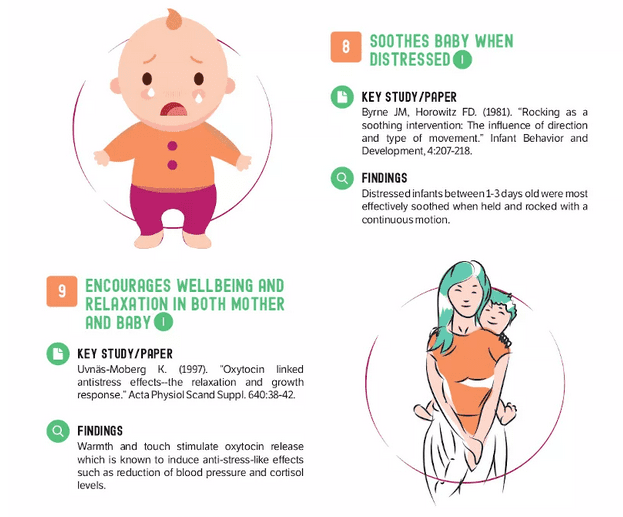
6. Reduces the Risk of Postpartum Depression
The extended skin-to-skin contact that babywearing facilitates has been shown to support maternal mental health. This closeness stimulates the release of oxytocin, often called the “bonding hormone,” which helps reduce stress and promote feelings of wellbeing. Additionally, babywearing makes it easier to leave the house, connect with others, and maintain social activities—all crucial protective factors against postpartum depression.

7. Increases Parental Confidence
As you become more attuned to your baby’s cues and more successful at meeting their needs, your confidence as a parent naturally grows. Babywearing creates a positive feedback loop: your baby is content, which makes you feel capable, which in turn makes you more relaxed and responsive. This confidence is invaluable, particularly for first-time parents navigating the uncertainties of early parenthood.
8. Makes Daily Life More Manageable
Let’s talk practicality. With your baby secured in a sling or carrier, you suddenly have two free hands again. You can prepare meals, do light housework, take your older child to the park, browse in shops, or simply enjoy a cup of tea while it’s still hot. Babywearing doesn’t just benefit your baby, it makes the demands of daily life significantly more manageable for you.
9. Supports Breastfeeding
Many parents find that babywearing makes breastfeeding more accessible and discreet. With practice, you can nurse your baby while they’re in certain types of carriers, allowing you to feed on the go without needing to find a place to sit down. The constant closeness also helps maintain milk supply by facilitating frequent feeding and keeping baby near the breast.
Why Babywearing Matters: Beyond the Science
While research gives us valuable insights into the measurable benefits of babywearing, there’s something deeper at play, something that can’t quite be captured in a study. Babywearing honours the continuation of the mother-baby relationship that began in pregnancy. It acknowledges that birth isn’t an abrupt ending but rather a gentle transition. Your baby needs time to adjust to life outside the womb, and carrying them close provides the bridge they need.
When I photograph families during newborn sessions, some of the most tender moments happen when babies are held skin-to-skin or nestled in a sling against their parent’s chest. There’s a quietness, a settledness in these images that speaks volumes. The baby’s face is soft and peaceful. The parent’s expression is one of calm confidence. These are the moments that tell the true story of early parenthood.
Getting Started with Babywearing
If you’re new to babywearing, it can feel overwhelming at first. There are numerous types of carriers: wraps, ring slings, soft-structured carriers, mei tais and each has its own learning curve. Here are a few tips to help you begin:
- Seek guidance: Consider attending a local babywearing consultation or connecting with a babywearing library where you can try different carriers before investing.
- Prioritise safety: Always ensure your baby’s airway is clear, their face is visible, and they’re held close and secure. Follow the TICKS guidelines (Tight, In view, Close enough to kiss, Keep chin off chest, Supported back).
- Start small: You don’t need to wear your baby for hours immediately. Begin with short periods and gradually build up as you both become more comfortable.
- Choose the right carrier: What works for one family may not work for another. Consider your body type, your baby’s age and size, and how you plan to use the c
Capturing These Precious Moments
The babywearing phase of your parenting journey is fleeting. Before you know it, your baby will be wriggling to get down and explore the world on their own terms. If babywearing is part of your story, whether you wear your baby daily or only occasionally, consider preserving these intimate moments through photography.
At Photography by Valentina, I specialise in capturing the authentic connection between mothers and their babies. Those quiet, skin-to-skin moments during newborn sessions, the peaceful contentment of a baby sleeping in a sling, the gentle way a mother’s hand curves around her baby’s back, these are the images that families treasure for generations.
If you’d like to celebrate the bond you share with your baby through timeless photographs, I’d be honoured to help. Whether your baby is days old or several months, there’s never a wrong time to document this profound connection.
Babywearing is far more than a convenience, it’s a powerful parenting tool backed by decades of research and thousands of years of human experience. It strengthens the bond between parent and child, supports infant development, protects maternal mental health, and makes the demanding early months of parenthood just a little bit easier to navigate.
As we celebrate International Babywearing Week this year, I hope you’ll take a moment to appreciate the simple yet profound act of carrying your baby close. Whether you’re a dedicated babywearer or simply curious about starting, know that every moment of closeness matters. Your baby won’t remember being carried, but their body and brain will carry the benefits forward—and so will you.
Ready to capture your babywearing journey?
Get in touch: 📞 07577 978246 or 📧 vale@photographybyvalentina.com